How to Restore Lodge Enameled Cast Iron: Removing Stains and Chips Safely
By Lodgecastiron | Published: 2026-06-30
Category: How-to Guides
Learn how to safely restore your Lodge enameled cast iron—remove stubborn stains, repair minor chips, and extend your cookware’s life with expert tips.
Lodge enameled cast iron is prized for its vibrant colors, smooth cooking surface, and easy maintenance compared to raw cast iron. Yet even the most careful cooks occasionally face stains from tomato sauce, burnt-on residue, or the dreaded small chip in the enamel. The good news: restoring your enameled cookware is often simpler than you think, and with the right techniques you can keep your Dutch ovens, skillets, and baking dishes looking like new. In this guide, we’ll walk you through safe, effective methods for removing stains, tackling stubborn buildup, and addressing minor chips without damaging the enamel.
Understanding Enameled Cast Iron vs. Raw Cast Iron
Before diving into restoration, it’s important to know the difference. Raw cast iron has a porous, seasoned surface that can be scrubbed with metal tools and re-seasoned. Enameled cast iron, on the other hand, has a glass-like coating that’s fused to the iron at high temperatures. This coating is non-reactive, won’t rust, and doesn’t require seasoning—but it’s also more delicate. Abrasive cleaners, metal scouring pads, and sudden temperature shocks can damage the enamel. That’s why restoration methods for enameled pieces are gentler and more targeted.
How to Remove Stains from Lodge Enameled Cast Iron
Stains are typically cosmetic and won’t affect performance, but if you want your cookware to look pristine, try these safe techniques.
Method 1: Baking Soda Paste
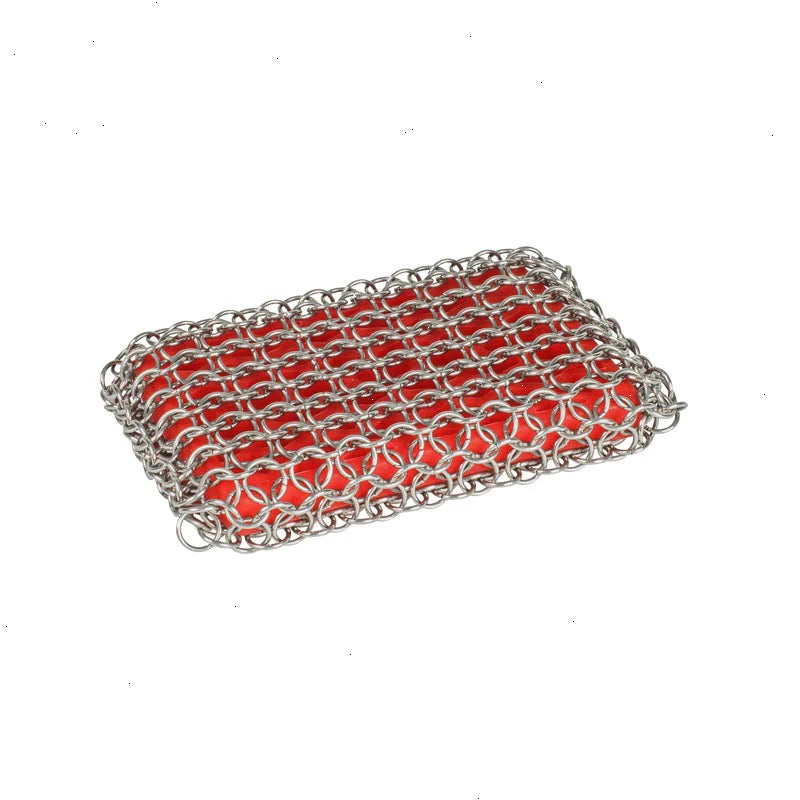
Baking soda is a mild abrasive that won’t scratch enamel. Mix 3 parts baking soda with 1 part water to form a thick paste. Apply it to the stained area and let it sit for 15–20 minutes. Gently scrub with a soft sponge or a Chainmail Scrubbing Pad (use it lightly—it’s safe for enamel as long as you don’t press hard). Rinse with warm water. For stubborn stains, repeat or let the paste sit longer.
Method 2: Boiling Water with Baking Soda
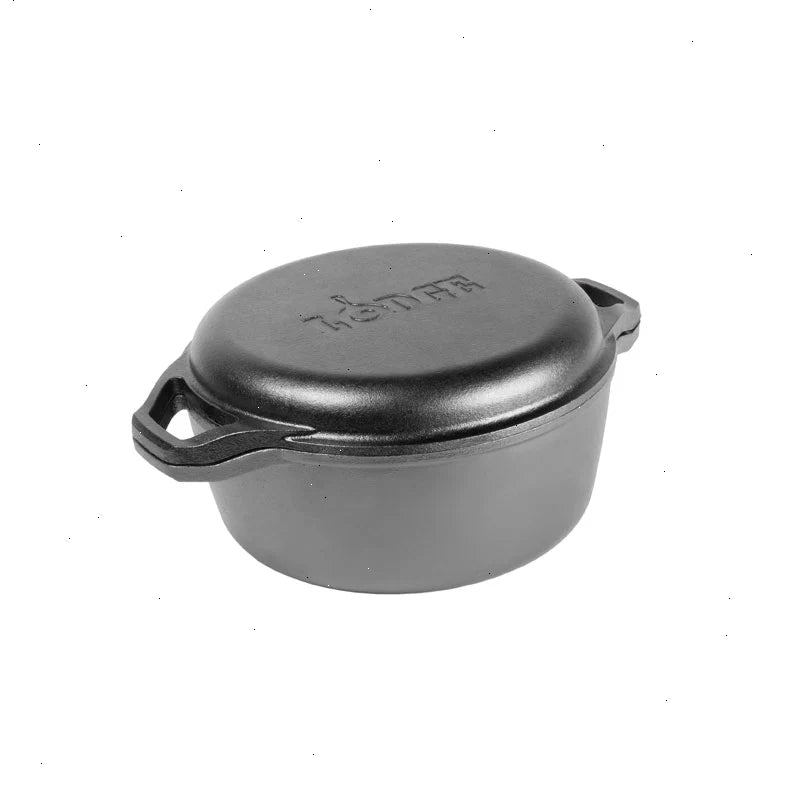
For burnt-on residues or discoloration inside a Dutch oven, fill the pot with water, add 2–3 tablespoons of baking soda, and bring to a boil for 10 minutes. Let it cool, then scrub with a soft sponge. This method lifts food particles without harsh chemicals. If you’re working with a Chef Collection 6 Quart Double Dutch Oven, the wide surface area makes this technique especially effective for even stain removal.
Method 3: Hydrogen Peroxide and Cream of Tartar
For deep-set stains from acidic foods like tomato sauce, make a paste of hydrogen peroxide and cream of tartar (or use lemon juice). Apply to the stain, let it sit for 30 minutes, then scrub gently. This is a natural bleaching method that’s safe for enamel.
Removing Stubborn Burn Marks and Food Residue
Sometimes a simple paste isn’t enough. For burnt-on food that’s baked onto the enamel, try these steps:
- Soak in warm, soapy water for at least an hour to loosen residue.
- Use a plastic scraper or a wooden spatula to gently lift off food—never a metal knife.
- Make a longer-lasting baking soda soak: Fill the pot with water, add 1/2 cup of baking soda, and simmer for 15–20 minutes. Let it cool completely before scrubbing.
- Avoid bleach or oven cleaners—they can dull the enamel and leave harmful residues.
After deep cleaning, rinse thoroughly and dry with a soft towel. Your enameled surface should be bright and smooth again.
What to Do About Chipped Enamel
Chips in enamel are more serious than stains because they expose the raw iron underneath. That exposed iron can rust, and the chip can grow over time. Here’s how to assess and handle chips safely.
When You Can Still Use the Cookware
If the chip is small (less than 1/4 inch) and located on the outside of the pot or on the rim, you can usually continue using it. The affected area won’t contact food, so it’s safe. However, monitor the chip for signs of spreading. Avoid using metal utensils near the chip, and hand-wash gently.
When to Retire or Replace
If the chip is on the interior cooking surface, or if it’s large enough that raw iron is exposed, it’s best to stop using the piece for cooking. Small glass fragments from a chip can end up in food, and rust can develop quickly. You can still use the pot for non-food purposes like storing dry goods, or as a decorative planter. For serious chips, contact Lodge customer service—they may offer a replacement under warranty if the piece is relatively new.
Can You Repair Chipped Enamel?
Home repair kits for enamel are not recommended for cookware. The materials used in bathtub or appliance repair aren’t food-safe and won’t withstand high heat. Instead, focus on preventing further damage. Never use abrasive scrubbers or steel wool on a chipped area, and always hand-wash your enameled cast iron—dishwashers can accelerate chipping.
Preventive Care for Long-Lasting Enamel
Restoration is easier when you start with good habits. Follow these tips to keep your Lodge enameled cast iron looking its best:
- Avoid thermal shock: Never place a hot pot under cold water or on a cold surface. Let it cool naturally.
- Use silicone, wood, or nylon utensils—metal can scratch the enamel over time.
- Hand-wash with mild detergent and a soft sponge. Avoid dishwasher detergents, which can dull the finish.
- Store with care: Place a paper towel or cloth between stacked pieces to prevent rubbing.
- Clean spills promptly—burnt-on food is harder to remove if left overnight.
When to Use Gentle Cleaners vs. Specialized Tools
Most stains can be removed with baking soda or gentle dish soap. For tougher jobs, you might be tempted to reach for a metal scrubber—but that’s a mistake. The Chainmail Scrubbing Pad is designed for raw cast iron and can be used on enamel only with very light pressure. If you prefer a safer option, use a non-scratch nylon pad or a plastic bristle brush.
For the inside of a Dutch oven that’s developed a brownish film from oil buildup, try simmering water with a few drops of dish soap and a slice of lemon. The acid helps break down the oil without damaging the enamel.
Frequently Asked Questions About Enameled Cast Iron Restoration
| Question | Answer |
|---|---|
| Can I use bleach to whiten my enameled pot? | No—bleach can degrade the enamel and leave chemical residues. Stick to baking soda or hydrogen peroxide. |
| Is it safe to cook acidic foods in enameled cast iron? | Yes! Unlike raw cast iron, enamel is non-reactive, so tomatoes, wine, and citrus are perfectly fine. |
| How do I remove a metallic taste from old stains? | That taste usually comes from food residue, not the enamel. A thorough baking soda soak should eliminate it. |
| Can I use the self-cleaning cycle on my oven to clean enameled cast iron? | Absolutely not—the extreme heat will crack or shatter the enamel. Never put enameled cookware in a self-cleaning oven. |
| Will vinegar damage the enamel? | Short soaks (up to 30 minutes) with diluted vinegar are generally safe, but prolonged exposure can dull the finish. Rinse thoroughly afterward. |
When to Replace vs. Restore
Not every imperfection requires restoration. Small surface scratches (from utensils) are cosmetic and won’t affect cooking. Minor staining is normal with regular use. But if you notice the following, it’s time to consider a replacement:
- Multiple interior chips that expose iron
- Crazing (fine cracks in the enamel surface) that could lead to chipping
- Rust forming around a chip that’s on the cooking surface
- Warped or uneven bottoms (rare with Lodge quality)
Lodge’s enameled line is built to last for years, and with proper care, most pieces can be restored to near-new condition. If you have a cherished piece that’s beyond repair, consider repurposing it as a serving dish or decorative item—it still has value in your kitchen.
Final Tips for Keeping Your Enameled Cast Iron Beautiful
Restoration isn’t just about fixing problems—it’s about maintaining the beauty and functionality of your cookware. Make it a habit to clean your enameled pots and pans after each use with mild soap and a soft sponge. Dry them immediately to prevent water spots. For stubborn stains, don’t reach for harsh chemicals—reach for baking soda and patience.
Whether you own a classic Chef Collection 6 Quart Double Dutch Oven or a colorful piece from the Dolly Parton collection, these techniques will help you keep your cookware in top shape for decades. Remember, enameled cast iron is an investment—treat it with care, and it will reward you with countless delicious meals.
Ready to restore your cookware? Start with the right tools. Explore our Chainmail Scrubbing Pad for gentle but effective cleaning, or browse our full selection of Lodge enameled cast iron to find your next favorite piece.