
Why Seasoning Makes Cast Iron Non-Stick
Seasoning is the layer of polymerized oil that gives cast iron its naturally non-stick surface. When you heat oil on the pan, it bonds to the iron, creating a smooth, easy-to-clean finish that improves with use. A well-seasoned skillet is the key to frying eggs, searing meat, and baking cornbread without sticking.
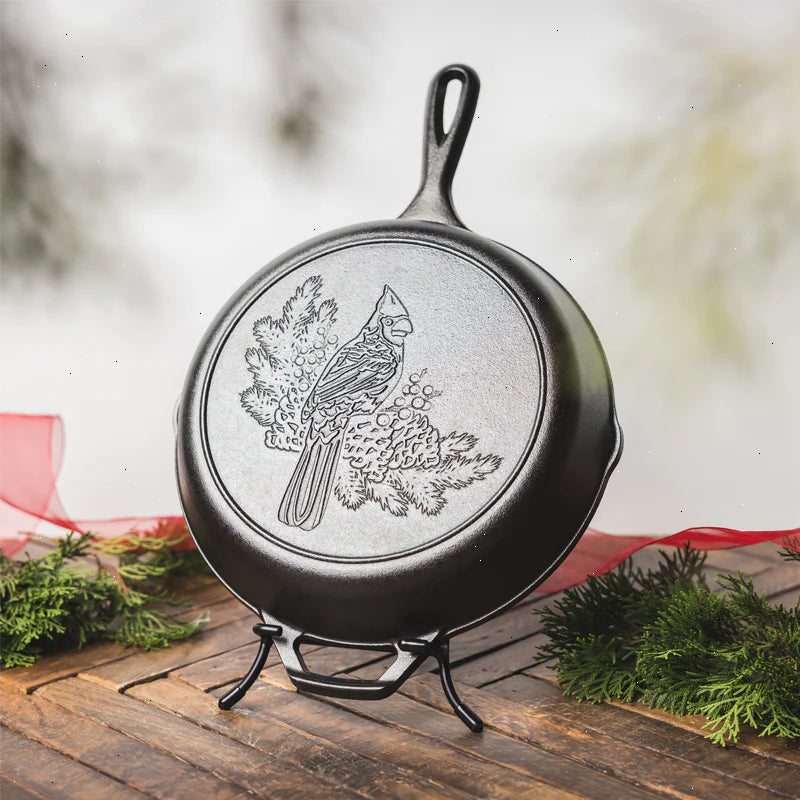
If you're new to cast iron, you don't have to start from scratch. Many skillets come pre-seasoned, meaning the manufacturer has already applied that initial layer. The Lodge 10.25 Inch Seasoned Cast Iron Cardinal Skillet, for example, features a naturally seasoned cooking surface that makes it easy to bring your favorite recipes to life. That means you can start cooking right away, though regular care will build on that base.
How to Season a Cast Iron Skillet
The basic process is simple: clean the skillet, apply a thin layer of cooking oil, and heat it to polymerize the oil. While specific temperatures and times vary by oil and pan, the principle stays the same. Always follow the manufacturer's instructions for your particular skillet, since they know the best method for their product.
For a pre-seasoned pan, you may not need a full re-seasoning right away. Instead, regular cooking and light maintenance will keep the surface non-stick. If you notice food sticking or the surface looking dull, a quick stovetop seasoning can help restore it.
Step-by-Step Seasoning Process
- Clean the skillet: Wash with hot water and a stiff brush. Avoid soap if you're maintaining an existing seasoning, but a small amount is fine for a full re-season.
- Dry thoroughly: Dry the skillet completely to prevent rust. Place it on low heat to evaporate any remaining moisture.
- Apply a thin layer of oil: Use a neutral oil with a high smoke point, such as vegetable or canola. Apply a very thin coat all over the skillet, inside and out, then wipe off any excess with a paper towel.
- Heat the skillet: Heat the oiled skillet to a temperature that will polymerize the oil. This is typically around the oil's smoke point. Preheat the oven and place the skillet upside down on the middle rack, with a baking sheet below to catch any drips.
- Cool and repeat: After heating for about an hour, turn off the oven and let the skillet cool inside. Repeat the oil-and-heat cycle two or three times to build a durable layer.
Start with a Pre-Seasoned Skillet
- Lodge 10.25 Inch Seasoned Cast Iron Cardinal Skillet: The Lodge 10.25 Inch Seasoned Cast Iron Cardinal Skillet has a naturally seasoned cooking surface that makes it easy to bring your favorite recipes to life. If you're new to cast iron, a pre-seasoned skillet saves you the initial work and lets you focus on learning how to cook and care for it. The Cardinal Skillet also adds festive flair to your kitchen when you're not cooking.

Lodge 10.25 Inch Seasoned Cast Iron Cardinal Skillet
Maintaining the Seasoning
To keep your cast iron non-stick, clean it gently after each use. While it's still warm, rinse with hot water and scrub with a brush or chainmail scrubber. Avoid harsh detergents and never put it in the dishwasher. Dry it thoroughly, then rub a very light layer of oil over the surface to protect the seasoning.
With regular use, the seasoning will strengthen and become more non-stick over time. If you cook acidic foods like tomatoes, or if you notice the surface becoming sticky, you may need to re-season. But for most home cooks, a little oil and heat after each use is enough to keep the pan performing well.

